
Kong's Pharmaceutical Co.
Making cancer as treatable as high blood pressure
We design small molecules that starve the most aggressive cancers of the nutrients they gulp through macropinocytosis, the same biology behind today's RAS-targeted therapies, using AI and robotics with XtalPi.
- Phase 1CR-067 · enrolling
- IND filedK-119 · FDA IND 182793
- Large-animal studiesnext candidates
- Founderphysician scientist, inventor, entrepreneur, successful drug on the market
Science
Macropinocytosis
Cancer cells are hungry. Many of them gulp extracellular fluid (proteins, amino acids and lipids) by throwing out membrane ruffles that fold into cups and pinch off as large vesicles called macropinosomes. This bulk "cell drinking", macropinocytosis, feeds tumour growth and is the nutrient-uptake route our therapies aim to switch off.
To find compounds that do this, we image cells under treatment and measure the shapes that macropinocytosis produces: ruffles, cups, rings and closed vesicles. Each shape becomes a set of numbers, and those numbers tell us whether a drug is working.
Shape readouts: a multidimensional feature vector
Every ruffle, cup and vesicle in a microscopy image is quantified with a set of geometric readouts. Together they form a feature vector that separates macropinocytosis-like shapes from everything else, and lets us measure how a compound changes them.
-
1 Area
Area = number of pixels inside the object.
Larger filled object = larger area. A thin crescent or open cup can have less area than a filled vesicle.
-
2 Convex area
Convex area = area of the smallest convex shape that encloses the object.
For a circle the hull equals the area; for a cup or C-shape the hull is much larger than the shape itself.
-
3 Solidity
Solidity = Area / Convex area.
Solidity ≈ 1: solid, convex, compact. Lower solidity: indentation, gaps, crescent, cup or a fragmented concave rim.
-
4 Bounding box & extent
Bounding box = smallest upright rectangle containing the object. Extent = Area / Bounding-box area.
High extent: compact, regular, fills its space. Low extent: elongated, curved, C-shaped, irregular, gaps, poor use of the bounding box.
-
5 Perimeter
Perimeter = boundary length. Same area = 200, very different perimeter.
Small P / near-circular lower bound: smooth, compact, round. Large P: irregular, elongated, folded, jagged, branched, complex boundary.
-
6 Eccentricity
Eccentricity measures elongation on a 0 → 1 scale.
Low E: ring, circular coat, compact patch, circular dorsal ruffle, round cup projection. High E: stress fibre, linear filament bundle, filopodium-like structure, elongated ruffle, tubular actin object.
-
7 Form factor
Form factor = 4πA / P².
Form factor near 1: round, smooth, compact. Lower form factor: elongated, irregular, branched, complex boundary.
-
8 More macropinocytosis-related shape examples
Round vesicle Ellipse C-shape U-shape cup Crescent Irregular cup Thick ring Curved filament Branched network Elongated ruffle Circular dorsal ruffle Compact patch Tubular actin object -
9 How to read macropinocytosis-like shapes
Morphology Interpretation Solidity Extent Eccentricity Perimeter Form factor Round compact vesicle Closed vesicle, compact, isotropic High (≈ 1) High Low (≈ 0) Low High (≈ 1) Crescent or cup-like object Early cup, open shape with concavity Lower (≈ 0.3 to 0.7) Lower Variable Moderate to high Lower Elongated ruffle or filament Elongated projection or filament Low Low to moderate High (→ 1) High Low Thick ring / circular dorsal ruffle Ring-like structure with an internal hole Low to moderate Low to moderate Low (≈ 0) Higher Low to moderate Branched irregular actin network Complex, branched actin structure Low Low Variable High Low
Partnership
Designed with XtalPi
Kong's brings the biology and the readout: endocrine insight and a quantified macropinocytosis assay. XtalPi brings AI molecular design and robotic synthesis at speed. The loop between us is how a less-toxic cancer drug arrives quickly.
Design
Generative models explore ~10¹² compounds; physics-based binding predictions (FEP) and ADMET models rank them before anything is synthesised.
Make
Robotic workstations synthesise and purify the shortlist 24/7, turning a design round into physical molecules in weeks rather than months.
Test
Candidates go into cancer cells and the macropinocytosis assay: does the compound shut down nutrient uptake without harming healthy cells?
Analyze
Every ruffle, cup and vesicle becomes a shape feature vector. Those numbers, with endocrine insight, become the fitness function for the next design round.
Speed: conventional lead optimisation vs the AI loop
Figures published by XtalPi for its SIGX1094 program (2026). The XTL-152 timeline will be added as milestones are reached.
Toxicity first: safety is designed in, not discovered late
-
1
Predict before synthesis
ADMET, hERG and CYP liabilities are scored in silico, so molecules with a toxic profile are never made.
-
2
Validate in human-relevant models
Cancer-cell and organoid assays, read out by macropinocytosis shape, show effect on tumour cells and sparing of healthy ones.
-
3
Confirm the safety window
Pharmacokinetics and dose-response studies establish the margin between an effective dose and a toxic one before any IND filing.
Drug Pipeline
Endocrine & Oncology
Developing therapies that suppress cancer-cell nutrient uptake: effective, less toxic, and accessible worldwide.
3 programs · 1 in the clinic · 1 IND filed · 1 in discovery
-
01
CR-067
Treating ED through a combination approach.
- Discovery
- Preclinical
- IND
- Phase 1
- Phase 2
Currently EnrollingTrial registration ClinicalTrials.gov · NCT07732387 ANZCTR · 25234
As the global population ages, the demand for endocrine support to improve quality of life, especially in sexual health, is growing. Erectile dysfunction (ED) is a common condition that affects a significant percentage of aging men, characterized by the inability to achieve or maintain an erection sufficient for satisfactory sexual performance. While occasional difficulty with erections is normal, persistent ED can indicate underlying health concerns that require medical attention.
Popular treatments, like Viagra and Cialis, have proven to be effective in the treatment of erectile dysfunction patients. However, through prolonged dosing, patients reported both headaches and flushing of the skin. Additionally, higher dosing was required to achieve a substantial effect in performance through extended use of these drugs. We are developing a combination therapy that merges the benefits of Viagra with a sexual desire modulator to restore men's sexual function as they age.
The use of CR-067 tablets aims to decrease the effective dosage for the treatment of erectile dysfunction while also minimizing the potential side effects caused by current drugs on the market that treat ED.
-
02
K-119
Small-molecule oral bladder-cancer therapy.
- Discovery
- Preclinical
- IND
- Phase 1
- Phase 2
IND filed · FDAIND registration FDA IND 182793
Cancer treatments currently on the market are known for their high toxicity and side effects, including hair loss and fatigue. Through extensive research, we have developed a small-molecule compound with high bioavailability, allowing it to efficiently penetrate cells and target tumor cells. Screening across various cell lines has demonstrated a dose-dependent response, leading to increased cancer cell suppression through targeted suppression of the Rac1 pathway.
Our coated, extended-release formulation minimizes the drug's toxic effects while reinforcing our strategy to slow tumor progression. From extensive in vitro and in vivo studies, we are able to focus the indication on bladder cancer. This approach aims to transform cancer from a life-threatening disease into a manageable chronic condition.
-
03
XTL-152
AI-supported therapeutic agent targeting macropinocytosis.
- Discovery
- Preclinical
- IND
- Phase 1
- Phase 2
In developmentXtalPiDesigned on XtalPi's AI + robotics discovery platform
- Target validated
- AI-generated hits
- Lead optimisation
- Preclinical candidate
- IND
Macropinocytosis is a key route by which aggressive cancer cells feed: they gulp extracellular fluid and digest the proteins and lipids in it to fuel growth, movement and survival. Because tumours lean on it far more than healthy tissue does, macropinocytosis is a promising target for new cancer therapies.
Utilizing AI-driven phenotyping and drug screening, we have successfully identified and patented 30 distinct small-molecule drugs for further evaluation against various cancer cell lines. The XTL-152 series is currently being investigated for its potential to treat malignancies that depend on this nutrient-uptake route. Specifically, the XTL-152 compound focuses on inhibiting macropinocytosis, providing a promising treatment approach for cancers such as glioblastoma, paving the way for innovative cancer treatments.
Team
The people behind the science.
-
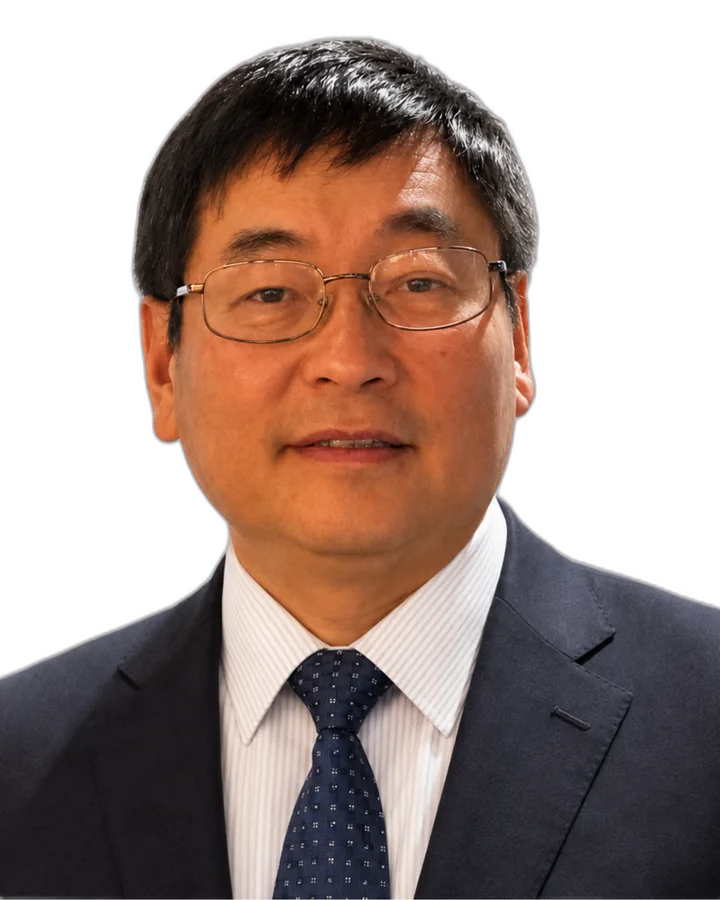
Yanping Kong, MD, PhD
Founder, President & CEO
A physician-scientist, endocrinologist, inventor, and biotechnology entrepreneur whose research and intellectual property focus on cancer-cell nutrient uptake and the development of novel anticancer therapeutics. He has held clinical and academic appointments associated with Dartmouth, SUNY Upstate, and Lahey Hospital & Medical Center, and trained as a researcher at Harvard Medical School. His experience spans drug development from API to clinical trial, including a successful liquid calcium product on the market.
-
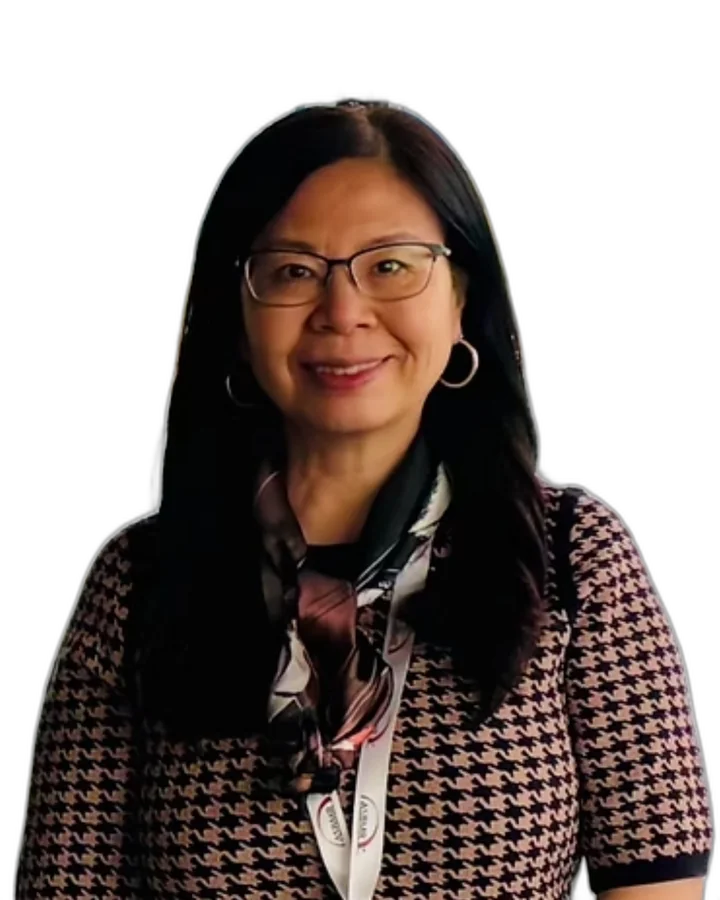
Jinhong Liu, MD
Vice President
Jinhong brings extensive pharmaceutical-industry experience, particularly in drug development. She received advanced research training as a fellow at Tufts University School of Medicine and the University of Michigan, where she made significant contributions to molecular research in oncology. Her career includes roles as a pharmaceutical representative at Servier and as Executive Vice President of Aunuo Pharmaceutical. She oversees the daily operations of Kong's Pharmaceutical, driving innovation and efficiency across the company's mission.
-

Qiuming Chu, PhD
Biologist
Qiuming Chu, PhD is a biologist with over 20 years of experience driving innovation in the biotechnology and pharmaceutical industries. Specializing in gene delivery and small-molecule therapies, he has helped spearhead groundbreaking treatments and is an expert in both in vitro and in vivo studies. His contributions include multiple patents and publications in gene therapy and drug development, with prior roles at Sanofi and Genzyme. He earned his Master's and Bachelor's degrees from Shanghai Medical College, Fudan University.
-

Richard Park, PhD
Clinical Trial Manager
Richard is a computational biologist with two decades of experience turning genomic and clinical data into products. At Kong's Pharmaceutical, he manages the clinical programs for CR-067 and K-119 and leads the computational analysis behind the XTL-152 macropinocytosis assay. He contributed to The Cancer Genome Atlas and has published in Nature and PNAS. At Knome, the first company to sell whole-genome sequencing, he analyzed early personal genomes, including those of Illumina's Jay Flatley and Henry Louis Gates Jr., host of PBS's Finding Your Roots. He holds a PhD in Bioinformatics from Boston University.
-
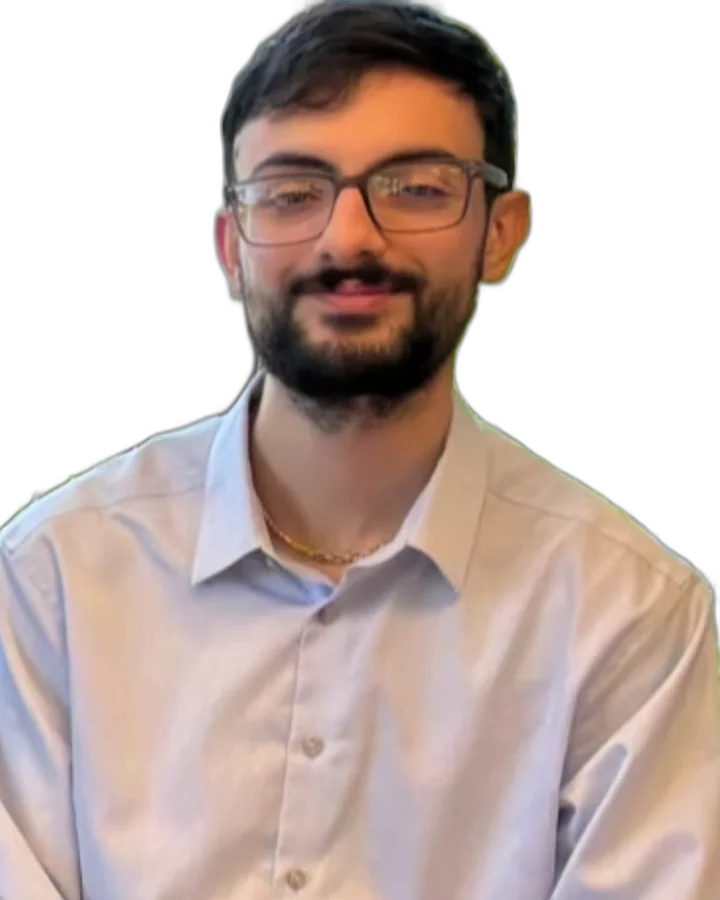
Antonio Bonanno
Research Lab Management
Antonio is a biomedical engineer with a Bachelor of Science in Biomedical Engineering from the University of Massachusetts Lowell, bringing a background in drug delivery, tissue engineering, and biomedical research. He manages and executes laboratory research supporting the company's pharmaceutical development programs, including cell culture, drug screening, molecular and biochemical assays, fluorescence imaging, and quantitative image analysis, with a focus on oncology and innovative drug-delivery approaches.
-

Jiazi Wang, PhD
Business Development
Jiazi Wang, PhD earned her doctorate from the School of Life Sciences at Tsinghua University in 2021, alongside a master's degree in International Governance and Development from Tsinghua's School of Public Policy; her doctoral research on the physiological functions of human tRNA genes and the molecular mechanisms of related diseases was presented at international conferences. She now leads business development at Shanghai Ruilejin Biotechnology Co., Ltd., Kong's Pharmaceutical's China-based operation, advancing the strategic partnerships that support the company's growth. She is driven by bridging scientific advances and real-world impact, helping translate healthcare innovations into solutions that advance the company's mission.
-

Luhao Fan
Assistant to the CEO
Luhao Fan is Assistant to the CEO, focusing on corporate finance and fundraising. He holds an MSc in Finance from The Chinese University of Hong Kong and has prior experience in global markets research, investment analysis and corporate banking across leading financial institutions.
-
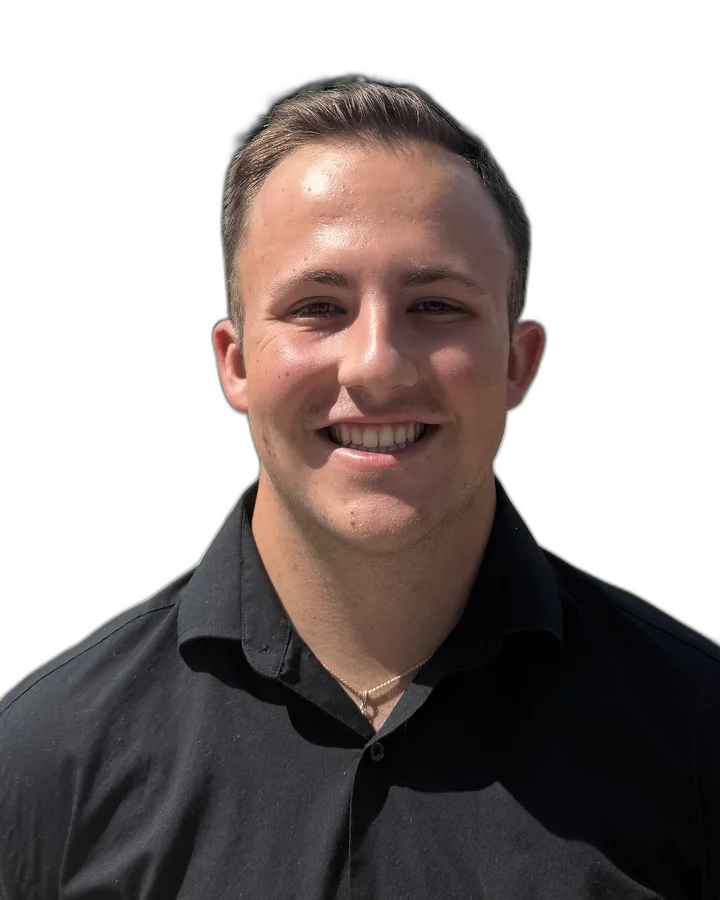
Matthew King
Biologist
Matthew King studied at Stonehill College, where his coursework spanned immunology, the biology of cancer, and microbiology. He authored an undergraduate thesis investigating enteric pathogen load and multi-locus heterozygosity. Matt is focused on the development of novel cancer therapeutics and cell therapies.
Advisors
-
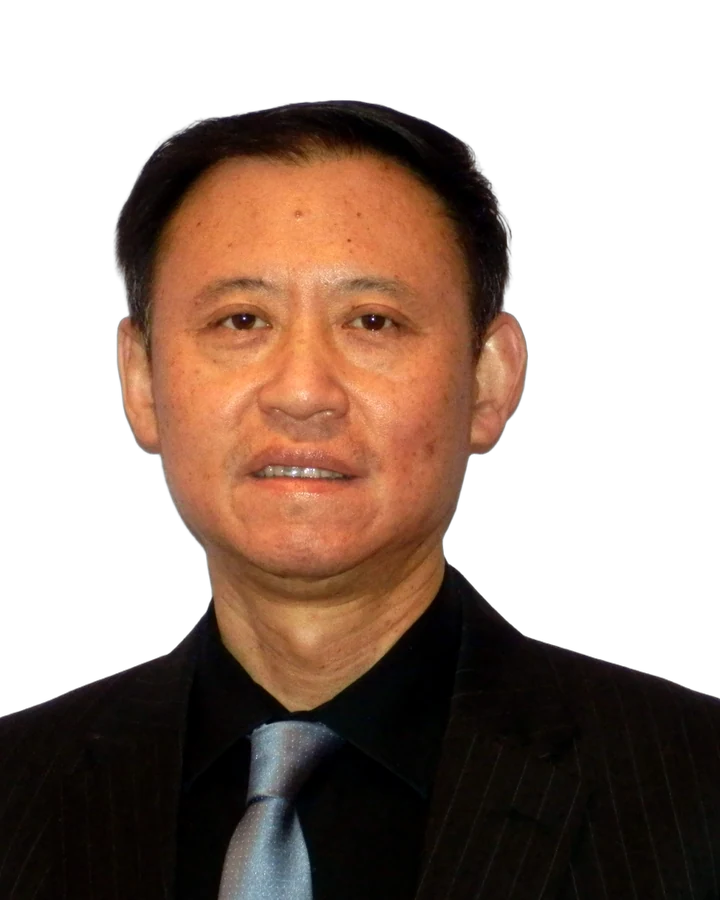
Yide Alan Jiang, MD, PhD
Chief Strategy Officer, XtalPi
Yide Alan Jiang, MD, PhD is Chief Strategy Officer and Executive Director of the Board of XtalPi Holdings (2228.HK), responsible for the company's strategy, growth opportunities and their execution. He joined XtalPi with more than twenty years of scientific and research-management experience at Genzyme and Sanofi-Genzyme, most recently as Director of Asia R&D Strategy, where he shaped Genzyme's Asia/China R&D strategy and led cross-functional external collaborations across the region. He holds a medical degree and a doctorate in molecular biology, followed by post-doctoral research in hematology and oncology at Brigham and Women's Hospital, Harvard Medical School.
Contact
Advancing patient recovery, together.
- Phone (603)-716-6789
- Email yanpingk@kongspharmaceuticals.com
- Address 110 Canal Street, 4th Floor, Lowell, MA 01852
© 2026 Kong's Pharmaceutical Co. All rights reserved. Privacy
Collaborating from Lowell, MA with